Highlight key safety messages for truck drivers to actively focus on critical safety practices and stay alert during operations. Commercial trucks operate under demanding conditions every day. Long routes, heavy loads, shifting weather, congested traffic, and extended highway hours test a vehicle’s endurance. To protect drivers, cargo, and everyone sharing the road, prioritizing vehicle condition is non-negotiable.
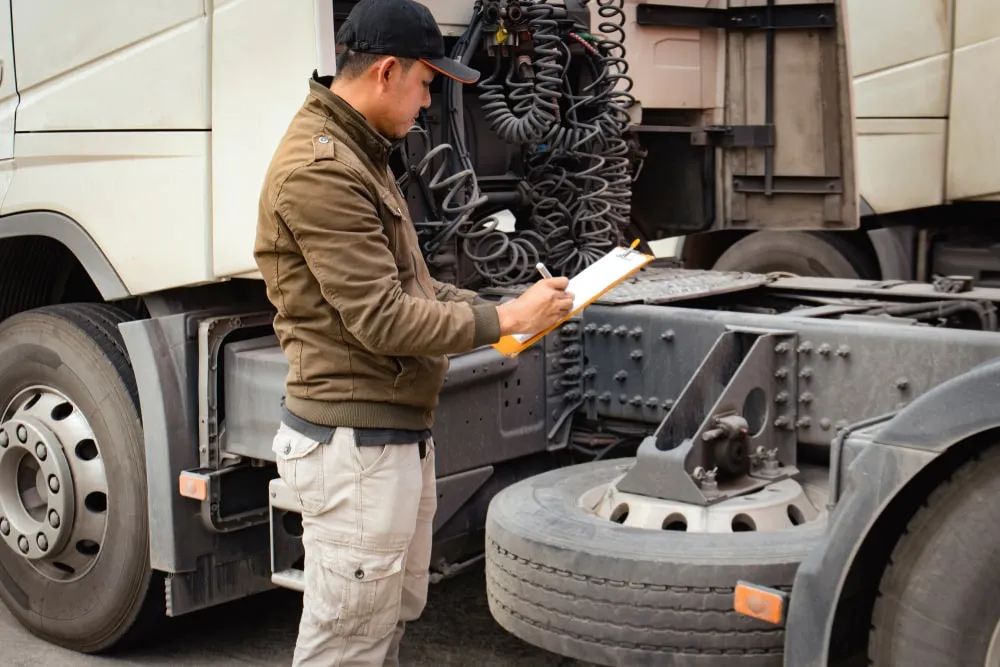
Pre-trip and post-trip inspections are essential procedures that help you identify early warning signs, preventing minor issues from becoming hazardous roadside failures.
What Are Pre-Trip and Post-Trip Inspections?
- Pre-Trip Inspections: Performed before starting a run, this walk around ensures the tractor and trailer meet safety standards. Drivers inspect critical mechanical assemblies, including brakes, tires, steering linkages, coupling mechanisms, fluid levels, and emergency gear.
- Post-Trip Inspections: Conducted immediately after a route, this evaluation detects stress, structural fatigue, or component damage sustained during transit. Logging issues promptly gives fleet technicians the window needed to diagnose and repair equipment before the next scheduled dispatch.
Together, these routines create an unbroken cycle of checking, reporting, servicing, and road readiness.
Why routine vehicle inspections matter because they empower drivers to take ownership of safety, building confidence in their vehicle’s reliability. Commercial rigs endure extreme mechanical stress. Road vibrations loosen fittings, air lines face friction, and heavy braking generates intense heat. Overlooking a minor defect at the end of a shift can lead to catastrophic component failure on the interstate.
Implementing structured daily inspections delivers tangible operational benefits:
- Prevents Costly Downtime: Catching small leaks or belt cracks early prevents expensive secondary engine and chassis damage.
- Maintains DOT Compliance: Avoid costly fines, safety rating downgrades, and out-of-service (OPS) orders during roadside DOT blitzes.
- Protects Cargo & Equipment: Verifying trailer integrity and suspension balance prevents freight shifting and transit damage.
- Cultivates Safe Driving Habits: A driver confident in their rig’s mechanical integrity can focus fully on situational awareness and defensive driving.
Key Areas to Check During a Pre-Trip Inspection
A thorough pre-trip inspection must evaluate the entire combination vehicle:
1. Tires, Wheels, and Rims
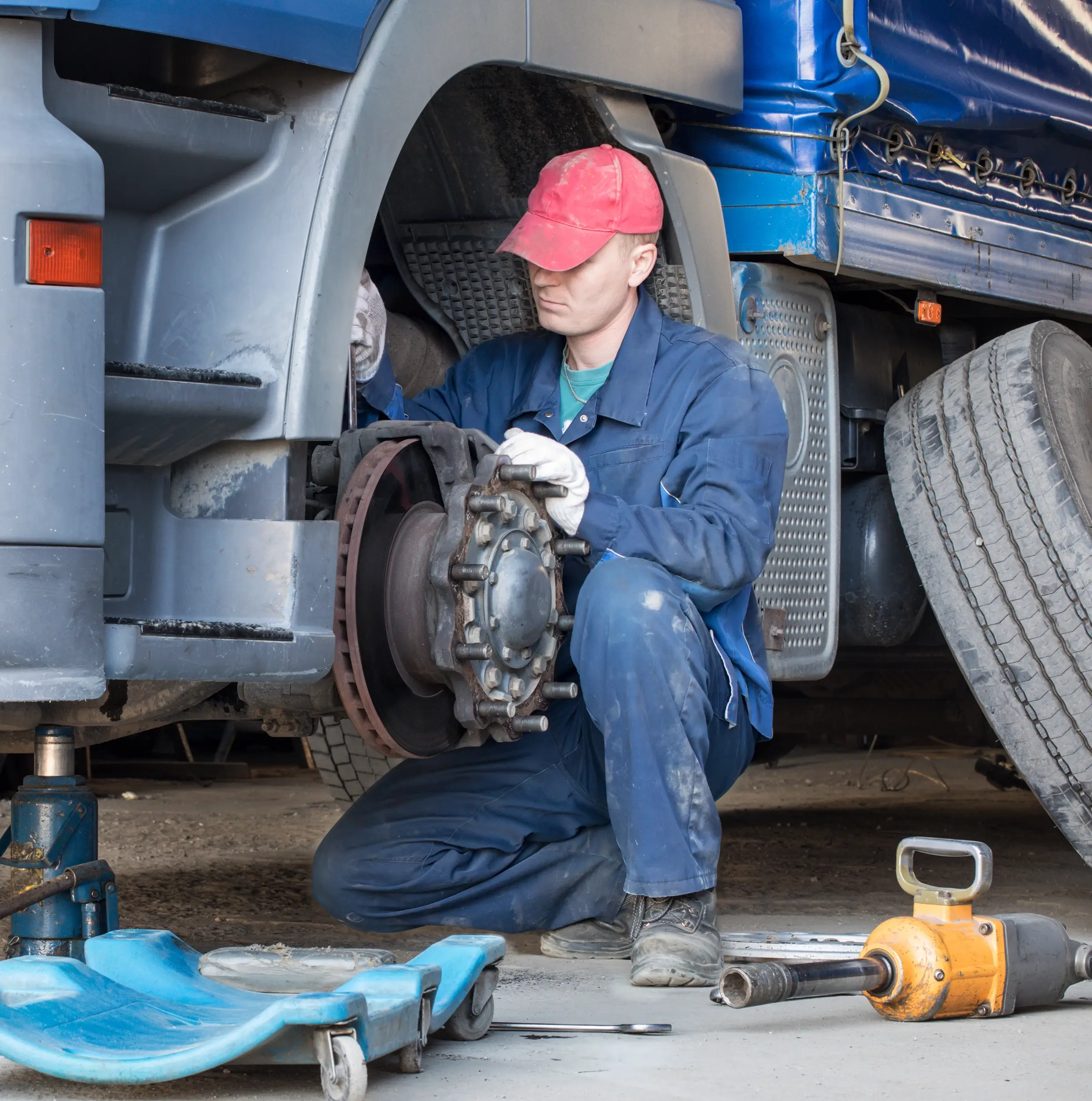
Check cold inflation pressures using a calibrated gauge. Inspect tread depth, watch for irregular cupping or flat spots, and check sidewalls for cuts or bulges. Confirm all lug nuts are torqued, rims are free of rust trails or cracks, and hub oil seals are not leaking.
2. Commercial Air Brake System
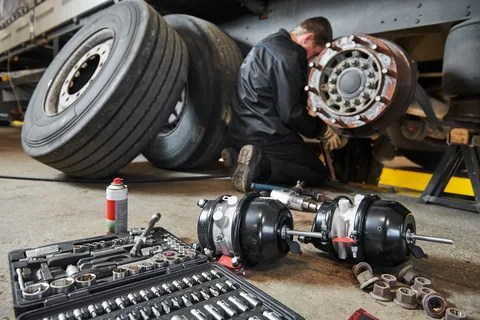
Inspect brake shoes, drums, rotors, and pads for minimum thickness and heat cracking. Test the governor cut-in and cut-out pressures, listen for audible air leaks throughout the system, and confirm low-pressure warning buzzers function correctly.
3. Lighting, Signals, and Reflectors
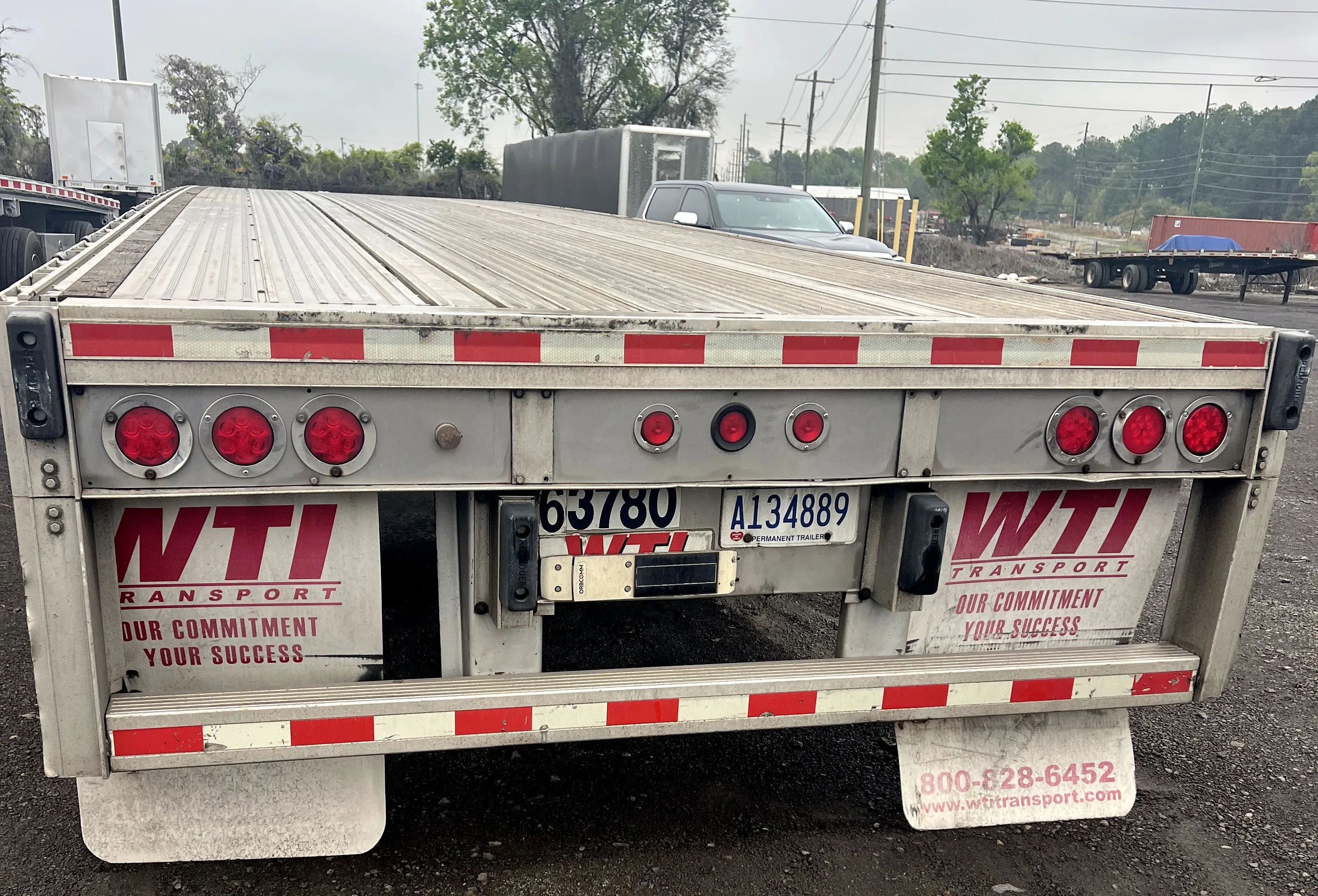
Turn on all exterior illumination: headlights (low and high beams), brake lights, turn signals, hazard flashers, and clearance markers. Ensure reflective tape on trailers is intact and clean to maximize visibility in adverse weather and night driving.
4. Steering and Suspension Linkages
Examine tie rods, the steering gearbox, drag links, and kingpins for excessive play. Check leaf springs for missing or cracked leaves, inspect air bags for dry rot, and verify shock absorbents show no signs of hydraulic fluid leakage.
5. Fluid Levels and Under-Hood Components
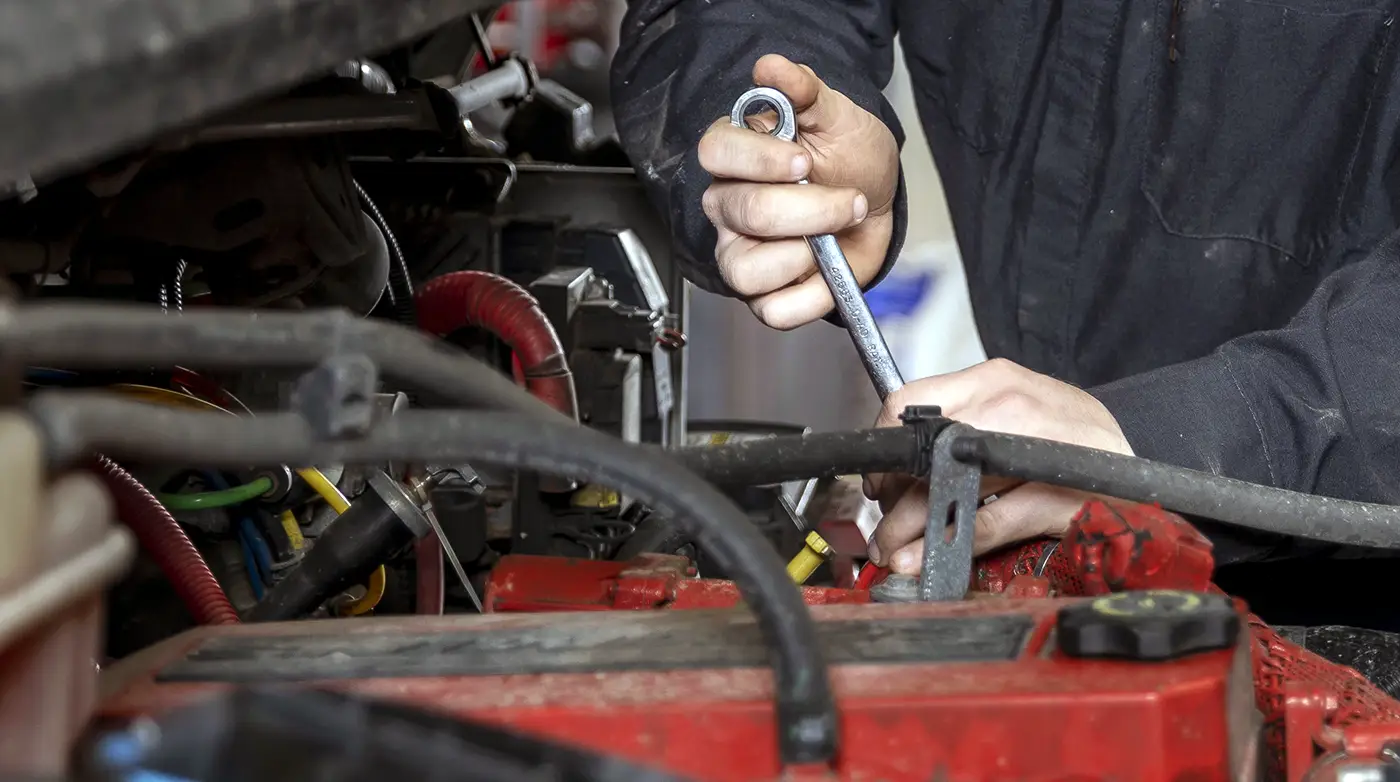
Check engine oil, coolant reservoir levels, power steering fluid, and windshield washer reservoirs. Inspect hoses and serpentine belts for tension, fraying, or soft spots. Look beneath the chassis for active fluid drips.
6. Fifth Wheel and Coupling Assembly
Inspect the fifth-wheel locking jaws to ensure they close fully around the trailer kingpin shank. Confirm the release arm is locked, the apron is flush, and electrical pigtails and glad hands are secure with no cracked grommets or rubbing lines.
Essential Post-Trip Checks: Capturing Road Wear
Operating under heavy loads, steep grades, and rough asphalt introduces real-time wear. When concluding a route, document the following in your Driver Vehicle Inspection Report (DVIR):
- Audible noises, air line hisses, or drive line vibrations
- Active dashboard diagnostic fault codes or check engine lights
- Changes in stopping distance, brake pedal feel, or air pressure build rates
- Fresh tire cuts, punctures, or embedded road debris
- Visible leaks from axle hubs, transmission, or coolant hoses
- Structural damage to trailer walls, flooring, or roll-up door latches.
Practical Highway Safety Tips for Truck Drivers
Safe equipment must be paired with proactive driving strategies:
- Maintain Adequate Following Distance: Allow at least one second of following space for every 10 feet of vehicle length at highway speeds, adding extra margin during rain, snow, or fog.
- Manage Commercial Blind Spots: Regularly scan mirrors every 5 to 8 seconds. Remember passenger vehicles frequently linger in the “No-Zones” along your right flank and direct rear.
- Adjust for Weather & Grade: Downshift ahead of steep descents to prevent brake fade, and drop speeds well below posted limits when handling wet or icy curves.
- Strict Fatigue Management: Respect federally mandated Hours of Service (HOS). Pull over at designated rest stops when drowsy; no delivery timeline supersedes highway safety.
When a truck requires immediate professional repair, addressing issues promptly helps drivers feel secure and in control of their safety on the road. Not every issue flagged during an inspection can be resolved with field adjustments. Critical faults involving cracked brake drums, failing wheel bearings, turbocharger faults, or suspension damage demand qualified shop intervention.
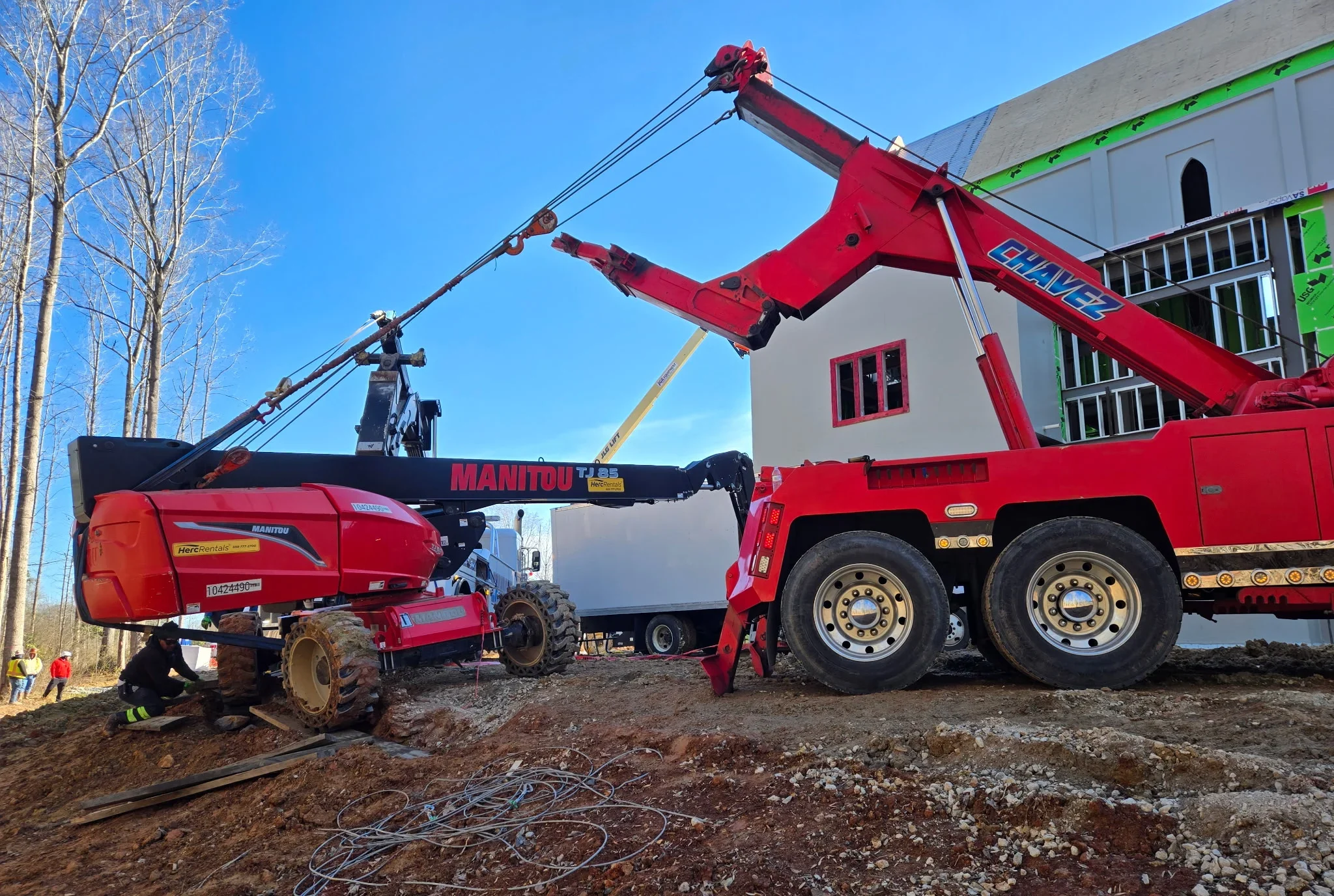
Ignoring warning signs to meet tight delivery windows puts lives at risk and invites severe regulatory penalties. When unexpected breakdowns occur far from your home terminal, relying on rapid-response Emergency Roadside Truck and Trailer Repair ensures your vehicle is evaluated, repaired to safety standards, and put back into service safely.
Keep Your Fleet Road-Ready with K&M Truck Trailer Repair
Dependable transportation relies on consistent inspections, skilled driving, and fast, professional mechanical support.K&M Truck Trailer Repair delivers comprehensive shop service and 24/7 Emergency Roadside Truck and Trailer Repair to keep owner-operators and commercial fleets operating safely and efficiently.
Whether your inspection turns up an air leak, worn brake components, or trailer electrical issues, addressing the problem today prevents severe roadside failures tomorrow. Contact K&M Truck Trailer Repair to schedule preventive maintenance or dispatch roadside assistance directly to your location.
Frequently Asked Questions (FAQs)
How long should a thorough pre-trip inspection take?
A standard, compliant pre-trip inspection typically takes 30 to 50 minutes. It should never be rushed, as it requires inspecting the engine compartment, coupling systems, tires, lights, and performing a complete air brake test.
Are pre-trip and post-trip inspections legally required?
Yes. Federal Motor Carrier Safety Regulations (FMCSR) require commercial drivers to perform daily pre-trip checks and complete a written Driver Vehicle Inspection Report (DVIR) at the end of each operating day if any defects or deficiencies are discovered.
What happens if a driver fails to document a vehicle defect during inspection?
Failing to document and repair defects can result in hefty DOT fines, vehicle out-of-service (OPS) orders during roadside inspections, lower fleet safety scores, and heightened liability in the event of an accident caused by mechanical failure.
What should I do if my truck fails an inspection while on the road?
If a critical safety defect, such as an air brake leak or damaged suspension, is identified en route, safely move the rig to the shoulder or a rest stop and request professional mobile assistance. Utilizing a 24/7 Emergency Roadside Truck and Trailer Repair service ensures the issue is resolved to safety standards without causing further component damage.
What is the difference between a pre-trip and a post-trip inspection?
A pre-trip inspection focuses on immediate road worthiness and safe operation before dispatching. A post-trip inspection evaluates how the vehicle held up during the haul, identifying mechanical stress, tire wear, or damage. Hence, mechanics have time to complete repairs before the next scheduled run.