A punctured truck tire can easily convert a regular journey into an emergency situation. Besides, it may become hazardous when the tire loses pressure or becomes damaged internally. For this reason, understanding how to repair semi truck tires can help to make informed decisions regarding vehicle operation and safety. How to repair a semi truck tire is a popular term that implies a quick fix for a tire issue.
This article provides basic information about the repairing procedure and discusses some of the factors. It is important to note that truck tire repair should only be carried out by professional tire technicians as any mistake can result in severe injuries.
Understand the Type of Tire Damage
Before any repair begins, the type and location of damage must be identified. A small tread puncture may qualify for repair under applicable manufacturer guidelines. However, sidewall, shoulder, bead, or severe impact damage can require tire replacement. The common causes of semi truck tire damage include road debris, potholes, under-inflation, overloading, improper maintenance, and impacts. These problems can create damage that looks minor from the outside. Therefore, an external inspection alone cannot always show the full condition.
Some common damage types include:
- Tread punctures from nails or metal objects
- Cuts caused by road debris
- Impact damage from potholes
- Sidewall bulges or cuts
Start With a Proper Tire Inspection
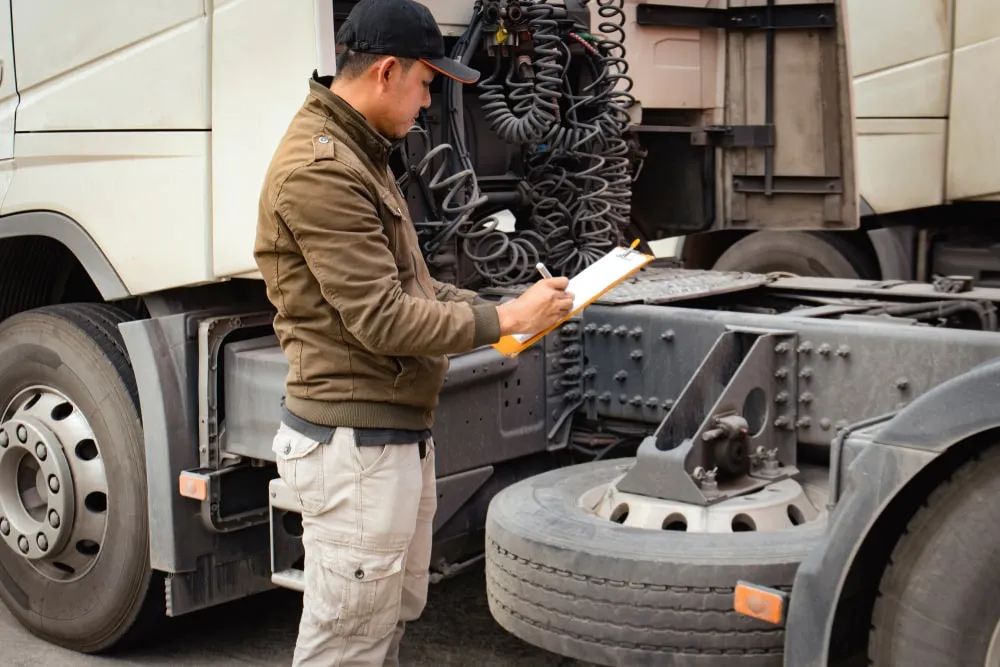
A meticulous semi truck tire inspection allows an evaluation to know whether the tire is repairable or not. In this way, the tire technician examines the tread, sidewalls, shoulders, bead area, and valve area. After that, the technician inspects the tire for under-inflation, impact damage, and abnormal wear.
When the tire pressure is lost, it must be known that from where the leakage occurs. The leakage may occur at the tread, valve, bead area, or any other damaged area of the tire. It should be kept in mind that identification of the visible puncture point will not resolve the whole problem. Another reason is that previously performed improper repair may also have an effect on the tires. In this regard, a professional inspection will include the following factors.
Know When a Puncture Can Be Repaired
But not every puncture requires the replacement of the tire. There are, however, certain conditions that will determine whether or not the damage can be repaired. First, the damage should be within the allowed repair zone. Second, the extent of the damage is important; for instance, tread area damage might be repairable. However, shoulder or sidewall damage usually poses more of a problem in terms of safety concerns. Thus, semi truck tire repair should never be based solely on the size of the puncture.
Repair will not be carried out if:
- The damage is outside the repair zone.
- There is extensive damage inside the tire.
Understand the Tools Used for Tire Repair
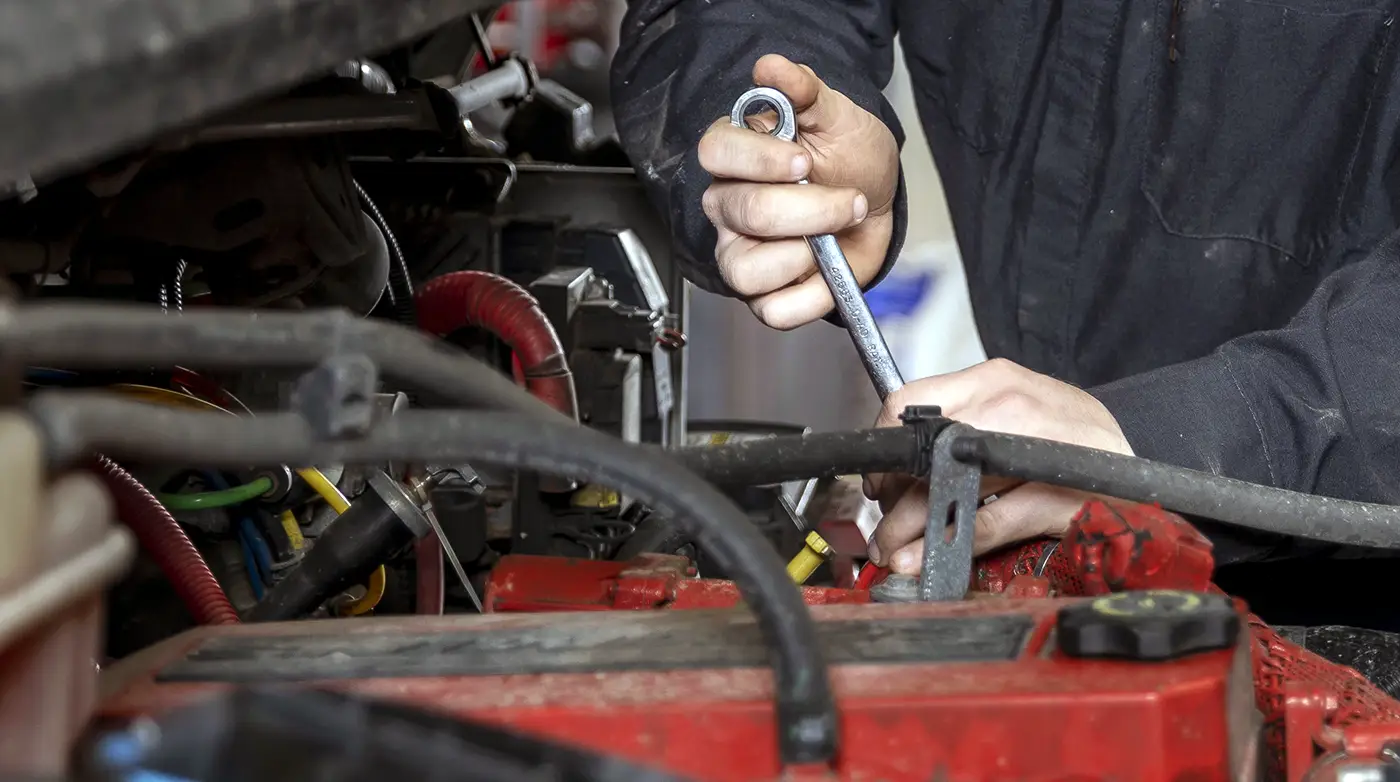
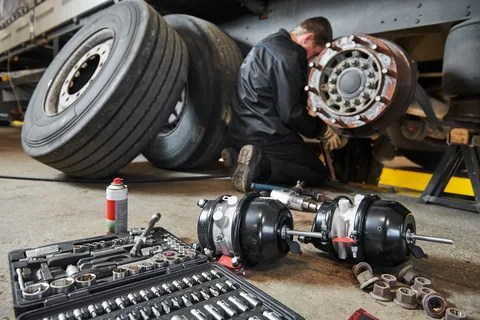
Tire repair in business is done using specialized tools and with appropriate training. Some commonly used semi truck tire repair tools include inspection tools, tire repair tools, cutting tools, buffers, reamers, stitching tools, and many more.
According to the USTMA commercial tire guide, some of the most commonly used tire repair tools include tire crayon, ruler, angle gauge, awl, sticher, knife, rasp, reamer, buffer, and inspection tools. But having all these tools is not enough for doing tire repair safely without any training. Commercial tires have stored energy in them, especially when inflated. Mismanagement of demounting, mounting, or inflating these tires could result in serious injuries. Therefore, tire repair professionals should use tire repair guidelines provided by tire manufacturers.
Prepare the Tire for an Approved Repair
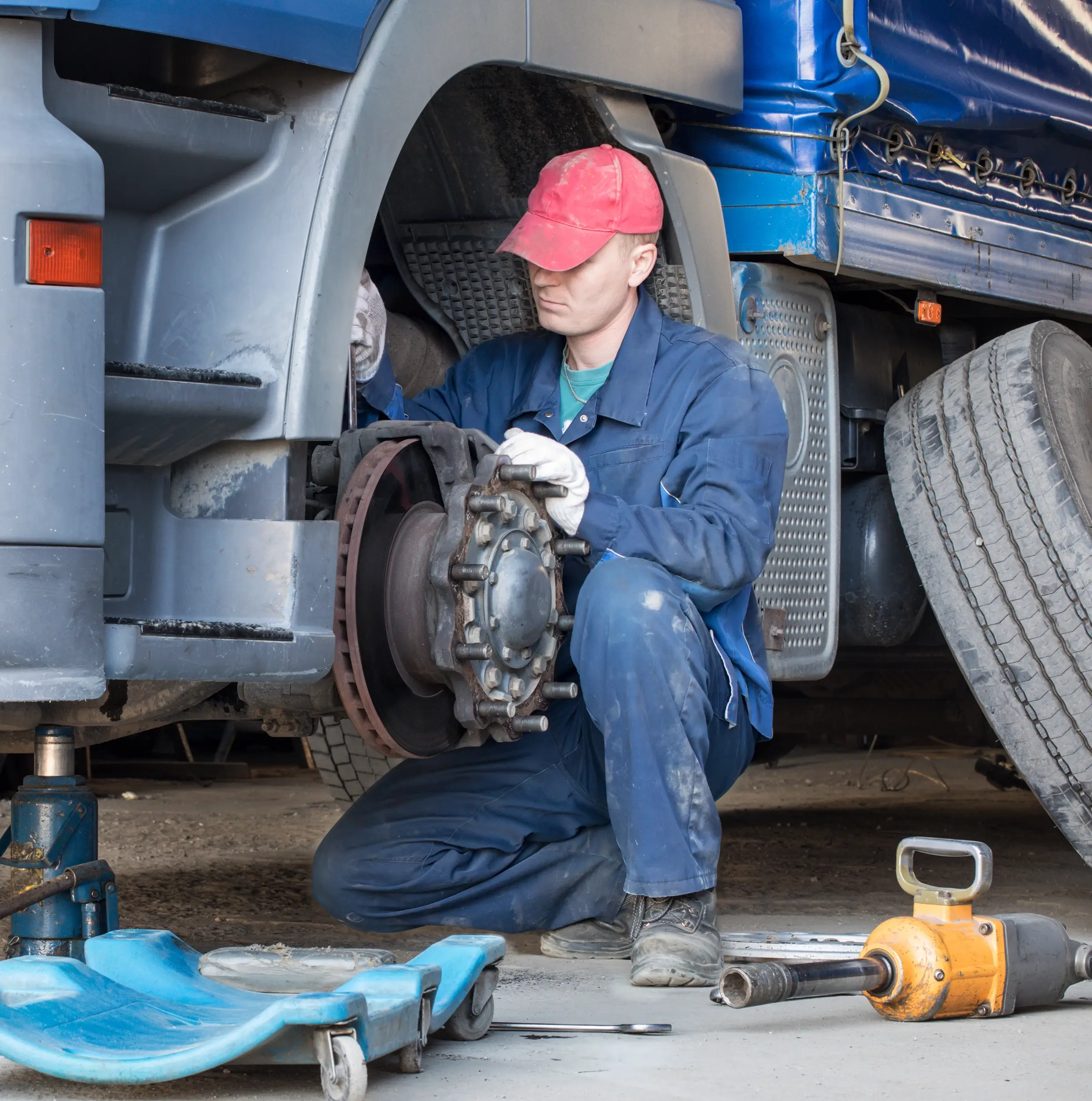
If the tire becomes eligible for repair, then the tire must be prepared. The removal of the tire from the wheel is the first procedure done by the tire service technician, which allows for internal examination of the tire.
According to USTMA, a proper puncture repair process includes plugging and sealing the punctured area in addition to patching the liner. Only plugging the tire is unacceptable as a full puncture repair, just like only patching the liner is not an appropriate repair either. After repair, the tire service technician evaluates the quality of work.
As the operation requires the presence of high pressure and heavy parts, only professionals can perform this job.
Check the Tire After the Repair
The repair process doesn’t stop once the damaged part is equipped with a repair module. The repaired tire has to undergo inspection before being returned to service.
Initially, the technician verifies the seal on the repaired section. In the second place, the technician inspects for other damage that might compromise safety. The tire will have to meet certain inflation requirements according to vehicle and tire manufacturer specifications.
A repaired tire has to be carefully inspected while being used as well. Changes in pressure, vibration, sound, temperature, and handling can signify some other problem. Repair might fix one issue; however, it won’t solve other problems, including overloading, misalignment, and improper inflation.
Know When to Replace Semi Truck Tires
Sometimes repair is not the right answer. Knowing when to replace semi truck tires can prevent a driver from continuing to use a tire with serious damage. Replacement may become necessary when a tire has severe sidewall damage, major cuts, serious impact damage, or other conditions that make repair unsuitable. A tire with an improper previous repair may also need to be removed from service. Therefore, saving the cost of a tire is not worth creating a larger safety risk.
Build a Better Tire Maintenance Routine
Well-maintained tires lower the possibility of unexpected problems occurring. Regular inspection will make it easier to detect any low pressure, any tire wearing down, any visible damage or any other problems that might occur. OSHA suggests vehicle pre-trip and post-trip inspections. The tires, wheels, fasteners, hubs, brakes, steering and many other components need to be inspected.
The following is one way of maintaining tires:
- Inspecting the tire pressure
- Inspecting the tire for visible cuts or damage
Proper tire inflation is also important since tire failure and damage may occur due to under-inflation. Overloading is another source of additional strain on the tires and the entire vehicle.
Safer Decisions Start With the Right Tire Assessment
A tire repair decision should never rely on appearance alone. A professional inspection can reveal internal damage, improper repairs, or conditions that make a tire unsuitable for continued use. Proper repair procedures also help protect the tire’s structure and maintain inflation.
For commercial vehicle owners seeking professional tire and trailer support, KM Truck and Trailer can be considered as part of a broader maintenance plan. The most important goal remains simple: keep every commercial vehicle equipped with tires that are properly inspected, maintained, and safe for the road.
FAQs
Can every semi truck tire puncture be repaired?
No. Repair depends on the injury’s location, size, tire condition, repair history, and manufacturer guidelines. Some injuries require replacement instead.
Can a semi truck tire be repaired while mounted?
USTMA’s commercial tire guidance says puncture repairs should not be performed on the wheel. The tire should be removed for proper internal inspection and repair.
Is a plug alone enough for semi truck tire repair?
No. USTMA states that a complete puncture repair requires both filling the injury and sealing the inner liner. A plug alone is not an acceptable complete repair.
Can a damaged sidewall be repaired?
Sidewall damage often falls outside normal puncture repair areas. A qualified tire professional should evaluate the tire against manufacturer requirements. Serious sidewall damage may require replacement.
How often should commercial truck tires be inspected?
Tires should receive regular inspections, including pre-trip and post-trip checks. OSHA specifically identifies tires and air pressure as important inspection points for commercial vehicles.